
Pianos, safes, and other very heavy items with an awkward center of gravity are one of the greatest opportunities for injury during a PPM — especially on stairs or through tight turns. A few friends and a general warning to "be careful" are not a complete handling plan for something this heavy and unbalanced. We strongly recommend getting a quote from a professional piano mover before you decide to move one yourself — a quick web search for "piano movers" near your area will turn up several, and for stairs or a difficult route in particular, the cost is often worth it.
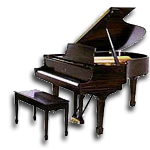
If you decide to move your piano yourself anyway, get several helpers experienced with heavy lifting, not just available bodies. Don't rush. Make sure everybody understands exactly how each step of the move will take place, especially at stairs, doorways, and the ramp.
Some piano stores will disassemble and crate pianos for shipment. This can be an excellent option to help ensure the safety of your piano. Consider consulting them for advice even if they don't offer this service.
Helpful Hints
- Don't roll the piano once inside the truck. Their weight combined with typically small wheels and a rough truck floor can break the wheels — and a piano that can roll can shift.
- A piano needs real restraint. Leaning it against the front wall isn't a restraint. Secure it with rated tie-downs at the equipment's approved anchor points, following your provider's instructions, or hire professional piano movers to load it.
- Be very careful. Injuring yourself in the middle of a PPM can throw a huge wrench into the entire process, plus it's not fun.